Advancing Exploration at Tamarack
Talon’s Minnesota exploration program is focused on expanding the understanding of the Tamarack Intrusive Complex, a mineralized geological system in central Minnesota known to host high-grade nickel-copper-cobalt mineralization.
Exploration is conducted both within and beyond the Tamarack Project’s current resource area. Using geological interpretation, advanced geophysical surveys, and targeted drilling, Talon continues to evaluate the continuity of known mineralization and investigate additional targets across the broader project area.
Recent exploration has identified new mineralized zones beneath and outside the existing resource footprint, including the Vault Zone, a deeper system of stacked nickel-copper sulphide mineralization. These results demonstrate the continued exploration potential of the Tamarack Intrusive Complex.
Exploring a Larger Mineralized System
The Tamarack Project encompasses an approximately 18-kilometer geological trend with numerous exploration targets located inside and outside the current resource area.
Talon’s exploration program is designed to better define known mineralization, test extensions of the current resource and evaluate additional targets that could contribute to the project’s long-term potential.
Exploration work includes directional drilling, borehole electromagnetic surveys, geological modeling, core logging, sampling, and laboratory analysis. Results from each stage are used to refine the geological model and determine where additional drilling should occur.
The Tamarack Resource Area
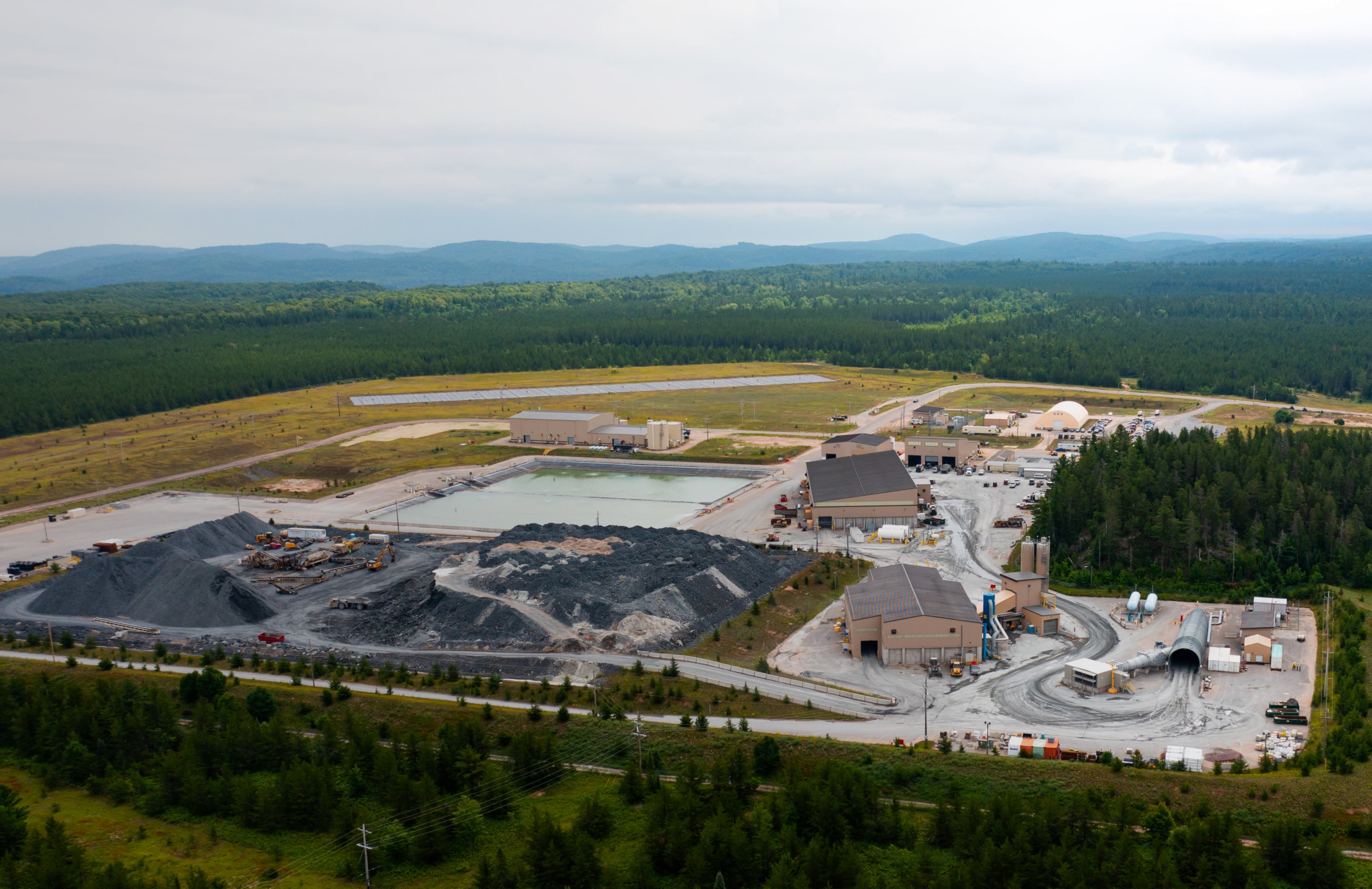
The current Tamarack resource is located approximately two miles north of the community of Tamarack.
Drilling within and near the resource area supports technical studies and provides additional geological information used to evaluate the location, orientation, grade and continuity of mineralization.
Exploration drilling has also identified mineralization beneath and adjacent to the current resource footprint, demonstrating that the larger mineralized system extends beyond the boundaries of the presently defined resource.
Vault Zone
The Vault Zone is a deeper mineralized system located below the Tamarack Resource Area.
The zone was identified after Talon extended a historical drill hole and used borehole electromagnetic surveying to detect conductive targets below the known resource. Follow-up drilling in 2025 intersected significant massive sulphide mineralization and confirmed a previously unknown nickel-copper mineralized system at depth.
Continued step-out and directional drilling has identified multiple vertically stacked mineralized levels within the broader Vault Zone. Talon’s current work is focused on understanding the size, orientation, continuity, and geological controls of the system.
Other Exploration Targets
Talon has identified additional mineralized zones and exploration targets across the Tamarack Intrusive Complex, including areas outside the current resource footprint.
These include the Raptor Zone, located approximately two miles from the resource area, and targets beneath the CGO East area. Exploration results from these areas provide further evidence that nickel-copper mineralization occurs across a broader geological system.
Targets remain at different stages of evaluation. Additional geological work and drilling are required to determine their size, continuity, and potential significance.
Mineral exploration is an early-stage process used to understand what may be present beneath the surface. Exploration results do not determine whether a mine will be developed. Any potential future project would require additional technical studies, environmental review, engagement and regulatory approvals.
Community and Tribal Engagement
Talon is committed to early engagement, transparency, and information sharing in the areas where exploration occurs.
The company engages with local communities, landowners, and proximate Tribal sovereign governments to share information about exploration activities, listen to questions and concerns, and better understand the environmental, cultural, and community context of the region.