Location:
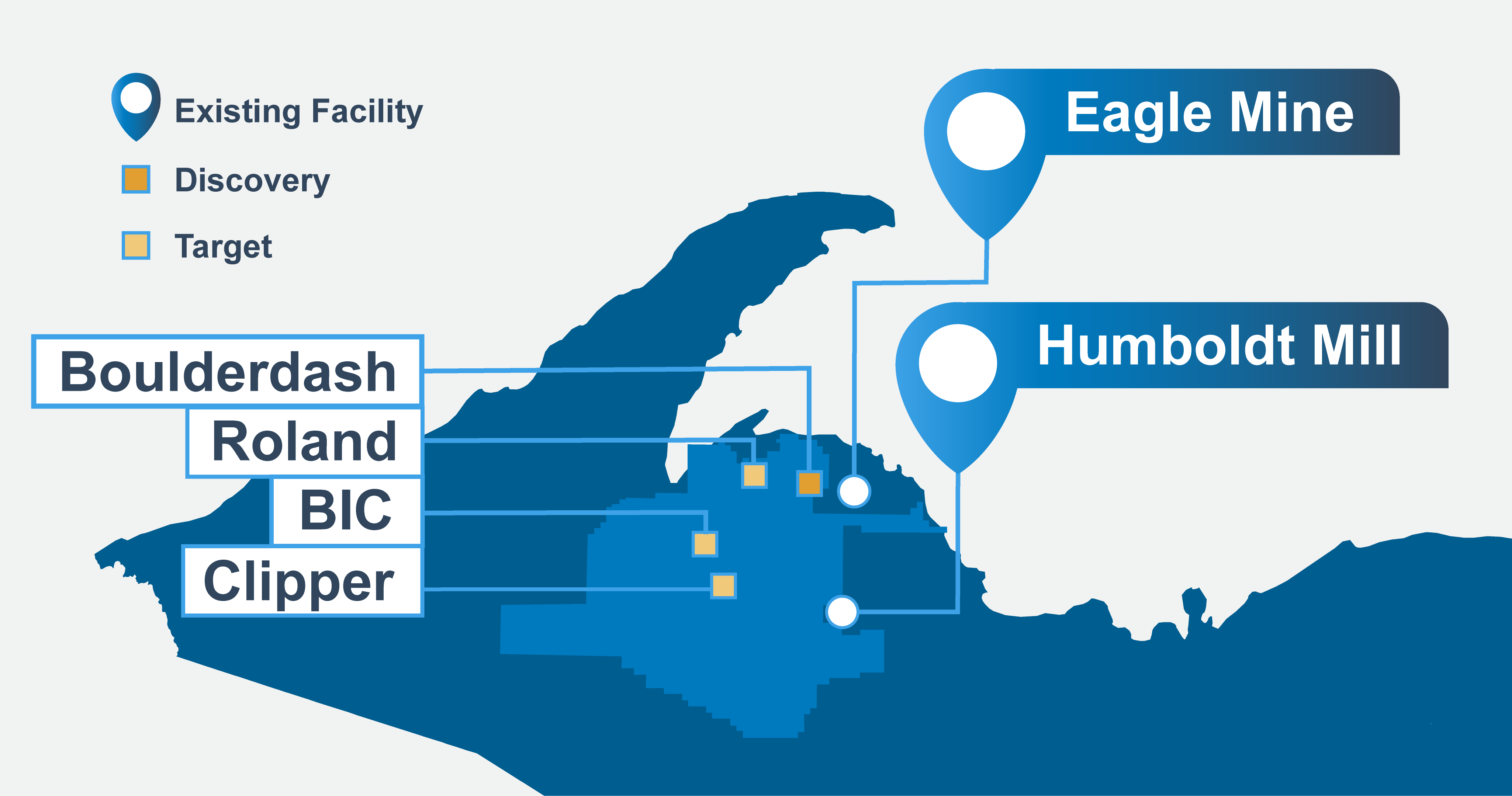
Near Champion, Michigan
Facility type:
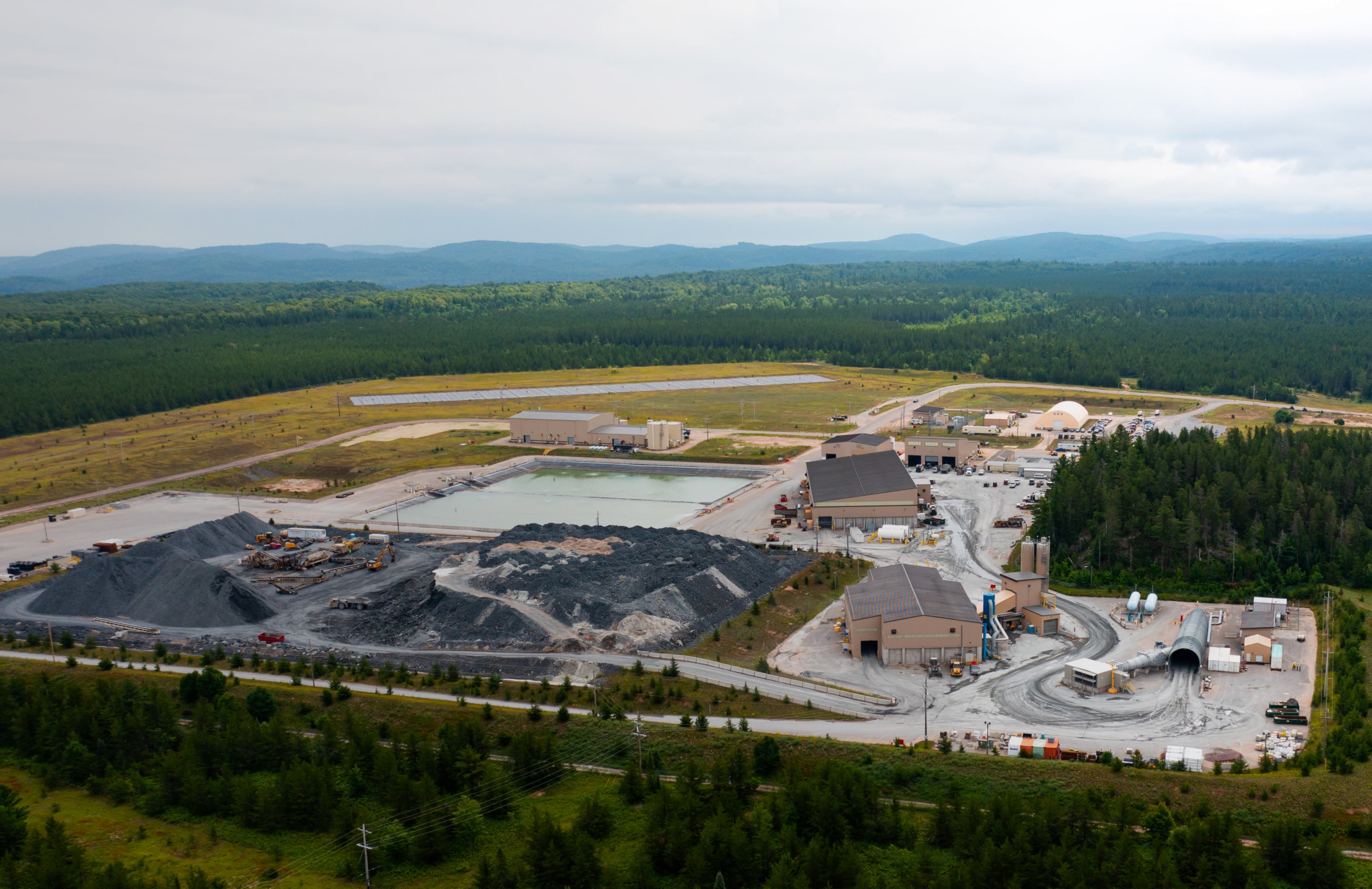
Nickel-copper mineral processing facility
Function:
Processes Eagle Mine ore into separate nickel and copper concentrates
Primary process:
Crushing, grinding, flotation, thickening, pressing, and shipping
Historic use:
Iron ore processing, then gold processing from the Ropes Gold Mine
Modern restoration:
Purchased by Rio Tinto in 2008; refurbished and permitted for Eagle Mine production
Investment:
More than $275 million invested to bring the mill back into operation
Tailings facility:
Humboldt Tailings Disposal Facility, using subaqueous tailings deposition
Milling Process
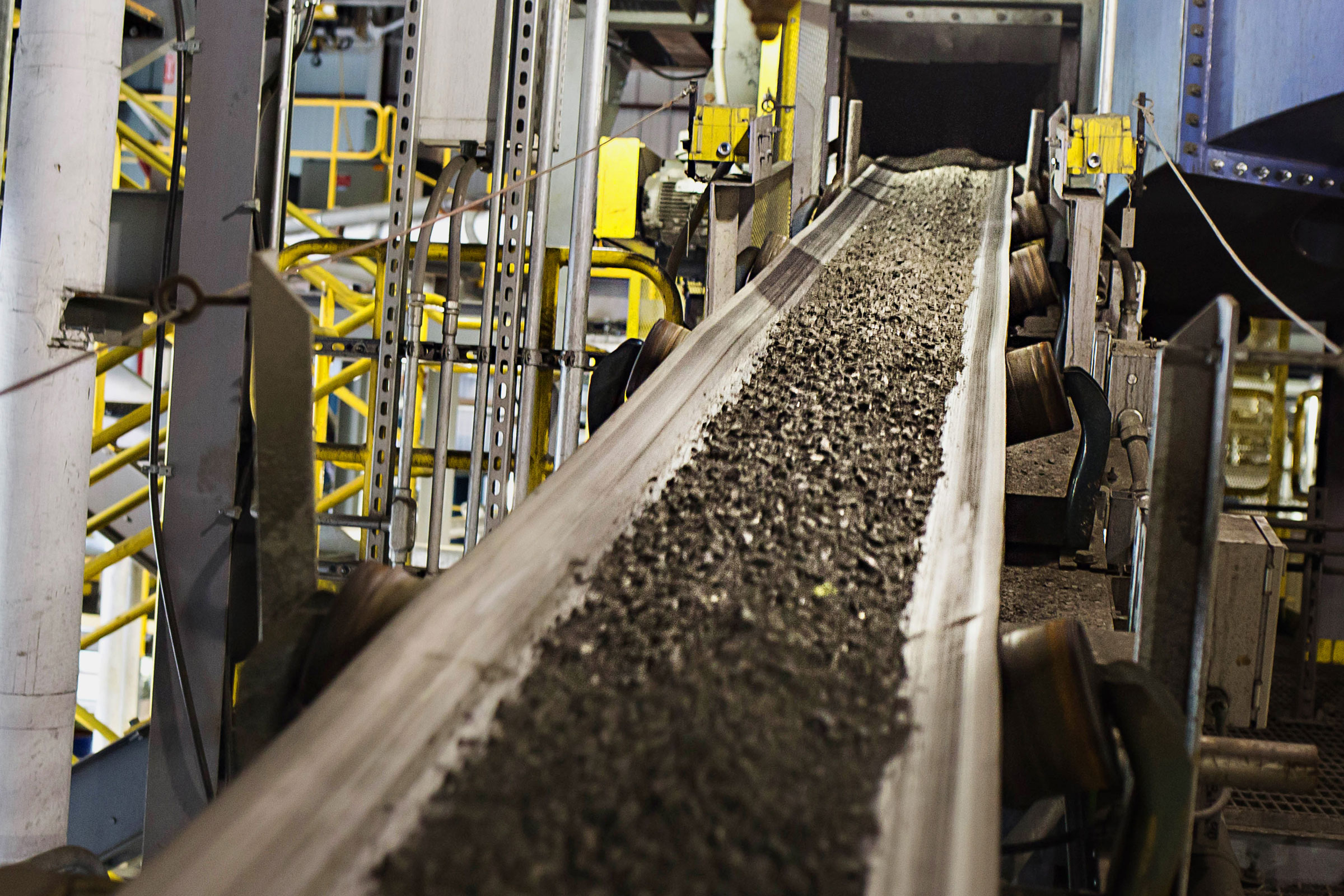
Ore from Eagle Mine is delivered to the Humboldt Mill and stockpiled in the enclosed Coarse Ore Storage Area. Oversized material is broken with a rock hammer before entering the crushing circuit. Three stages of crushing reduce the ore from approximately 18 inches to less than half an inch.
The crushed ore is then ground in two ball mills, where chrome balls reduce the material to approximately 80 microns, creating a texture similar to fine sand. Water is added to form a slurry, which then enters the flotation circuit.
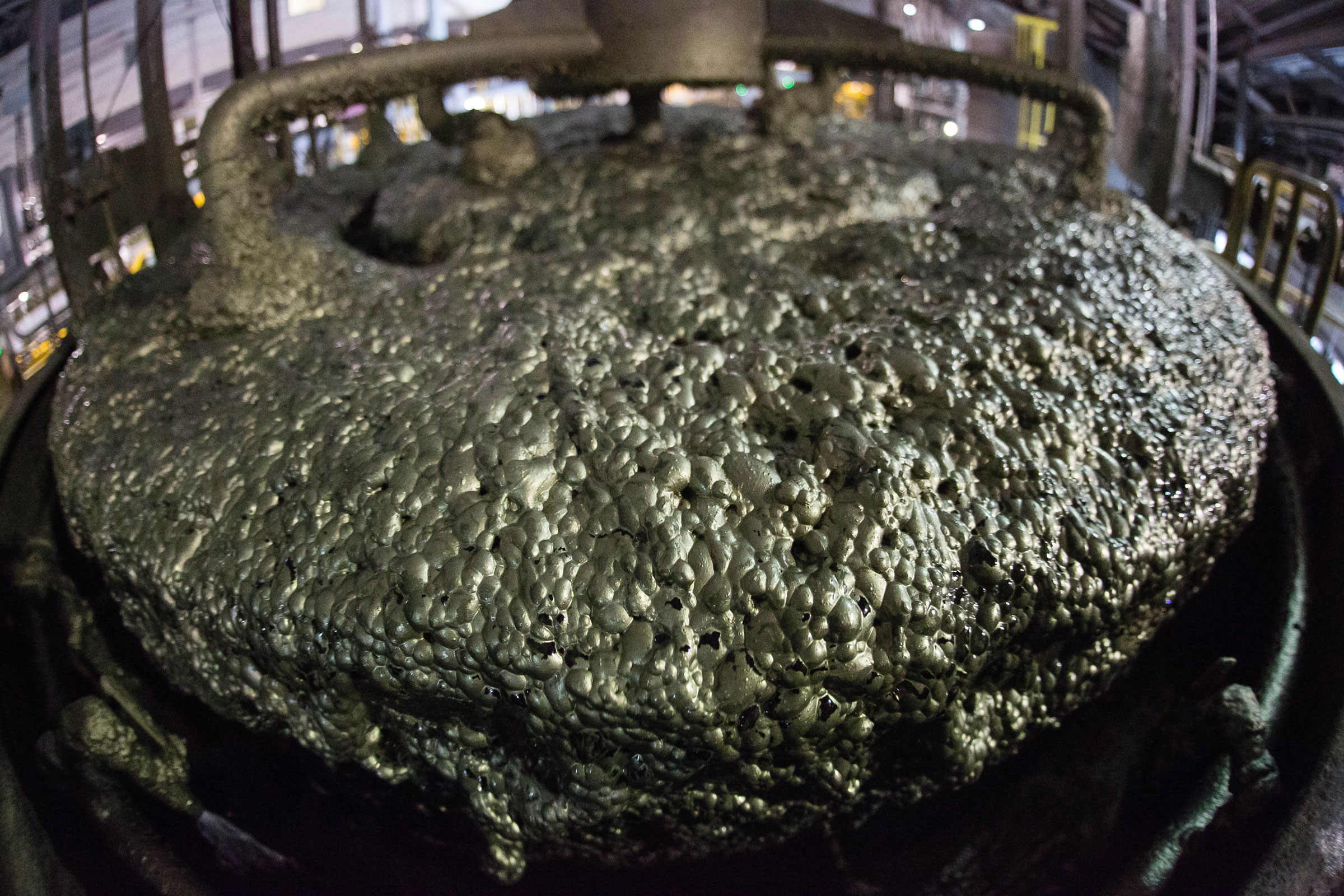
During flotation, air bubbles are introduced into the slurry. Valuable minerals attach to the bubbles and rise to the surface, where they are collected. Nickel and copper are first floated together, then separated, yielding two concentrates: nickel and copper.
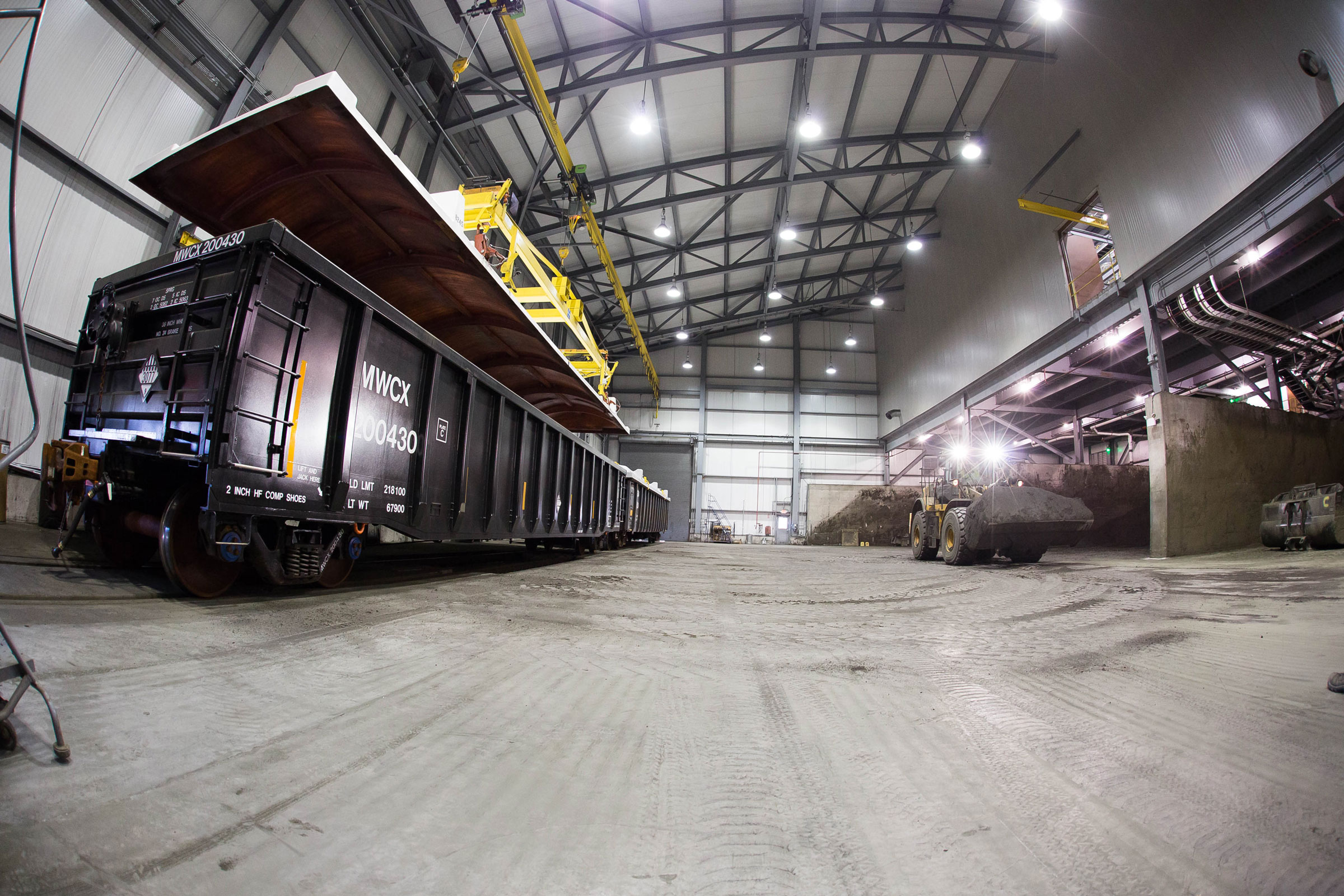
The concentrates are thickened and pressed to remove excess water, then loaded into covered rail cars for shipment to customers for further smelting and refining.
Tailings and Water Management
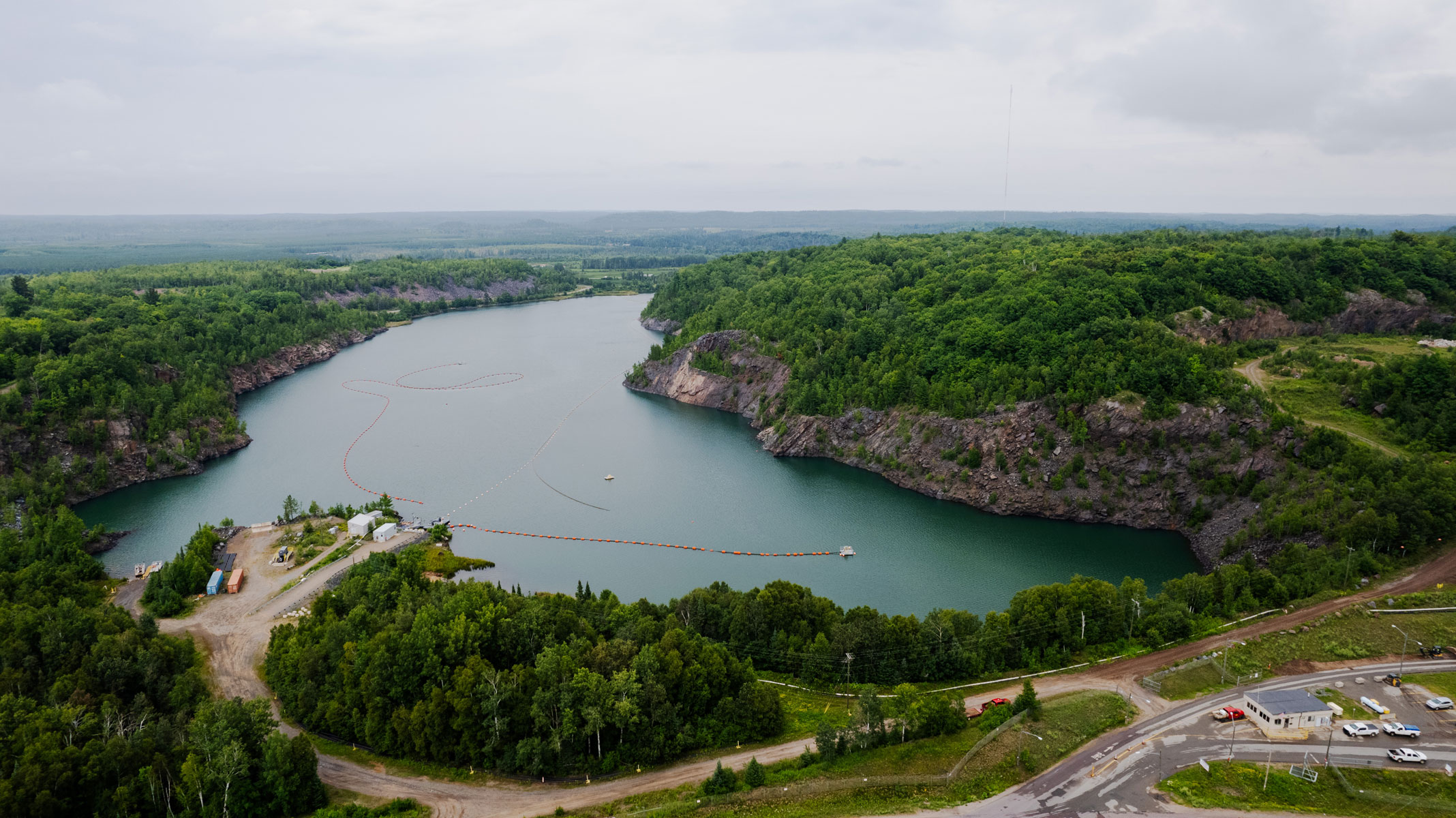
The Humboldt Mill manages tailings through the Humboldt Tailings Disposal Facility, where tailings are stored underwater using subaqueous deposition — a recognized best practice for sulfide-bearing tailings. Water from the facility is reused in the milling process where possible, and excess water is treated through the on-site water treatment plant before being returned to the environment.
The facility is managed in alignment with the Global Industry Standard on Tailings Management (GISTM), a global framework focused on safe tailings facility governance, design, operation, monitoring, emergency preparedness, and closure. This standard supports a goal of zero harm to people and the environment and reflects Talon’s commitment to responsible tailings management.
Brownfield Reuse and Restoration
The Humboldt Mill is a strong example of brownfield reuse. Rather than building a new processing facility at the mine site, the existing mill was restored and upgraded. The site had previously been used for iron ore and gold processing and required cleanup and environmental reclamation before it could be returned to operation.
Between 2009 and 2011, more than $5 million was invested in cleanup and environmental reclamation activities related to historical mining waste. Construction and equipment upgrades began in 2012, preparing the facility for ore production in 2014.
Maps